I remember the exact moment I realized my startup was one late payment away from dying. We had just landed our biggest client—a six-figure contract that should have been a celebration. Instead, I was doing math in my head: if they paid on their standard 60-day terms, we'd run out of cash in week seven. That gap between "revenue on paper" and "cash in the bank" nearly killed us. Three years later, I can tell you exactly what I should have done differently.
Building a cash reserve isn't about being conservative. It's about giving yourself the freedom to make good decisions instead of desperate ones. When you have six months of runway in the bank, you can negotiate from strength. When you don't, you take whatever terms the other side offers. Here's what actually works—based on the mistakes I made and the fixes that saved my company.
Key Takeaways
- A cash reserve isn't optional—it's the difference between strategic growth and panic mode
- Most startups need 6-12 months of operating expenses saved before they can safely take risks
- Revenue-based financing beats equity dilution for building reserves
- Automated savings rules prevent the "we'll save next month" trap
- Your burn rate is probably higher than you think—track it weekly, not monthly
- A reserve doesn't mean hoarding cash—it means allocating it intentionally
Why Cash Reserves Matter More Than Your Pitch Deck
Here's a truth that took me two failed startups to learn: a brilliant pitch deck won't save you from a cash crunch. I've seen founders with mediocre products survive because they had reserves, and founders with amazing products fail because they ran out of money at the wrong moment.
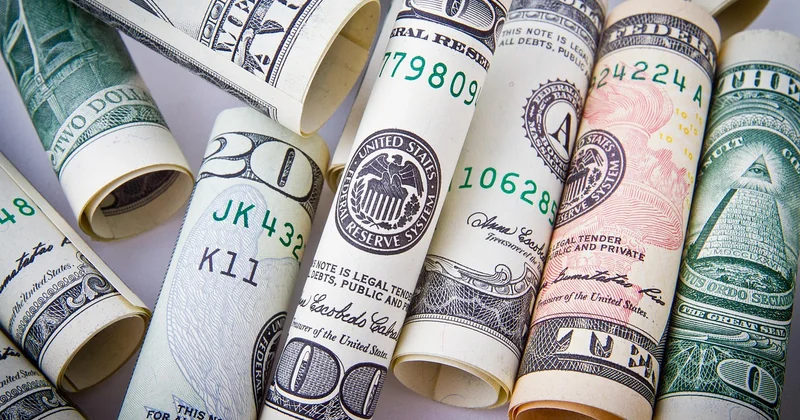
Cash reserves are your startup's immune system. When you have them, you can survive the inevitable surprises—a key employee leaving, a supplier raising prices, a market downturn. Without them, every small problem becomes a potential death blow.
Real talk: I spent my first year as a founder treating cash like a scoreboard. The more we had, the better I felt. But that's wrong. Cash isn't a score—it's fuel. And you need to know how much fuel you have, how fast you're burning it, and what happens when the next gas station is further away than you planned.
The Real Cost of No Reserve
When I was bootstrapping my consulting practice, I hit a stretch where we had exactly 11 days of runway. A client delayed payment by two weeks. I had to choose between paying my developer or paying my rent. I chose the developer. That month taught me more about cash management than any book ever could.
The cost isn't just financial. It's mental. When you're constantly worried about cash, you can't think strategically. You can't invest in marketing, you can't hire the right people, you can't say no to bad clients. Your entire business becomes reactive.
How Much Cash You Actually Need
Most advice says "three to six months of expenses." That's a good starting point, but it's too generic. The right number depends on three factors I learned to calculate the hard way.
First, your revenue volatility. If you have predictable subscription revenue, you need less. If you're project-based with lumpy payments, you need more. My SaaS clients typically need 4-6 months. My service-based clients? 8-12 months minimum.
Second, your payment terms. When I switched from net-30 to net-60 terms with a major client, my cash reserve requirement jumped by 50% overnight. Every day you wait for payment is a day your reserve needs to cover.
Third, your personal runway. If you can live on ramen for three months, you can stretch further. But be honest with yourself. I've seen founders burn out because they refused to pay themselves a reasonable salary.
The 12-Month Test
Here's the rule I use now: calculate your monthly burn rate, multiply by 12, and ask yourself one question. "If every single revenue stream dried up tomorrow, could I survive a year?" If the answer is no, you don't have a reserve yet. You have a buffer.
A buffer buys you weeks. A reserve buys you the time to pivot, raise funding, or shut down gracefully. I learned this distinction after watching a founder friend burn through three months of "reserves" in six weeks because he didn't cut costs fast enough.
Five Strategies That Built My Reserve
I tried everything. Some worked. Some were total waste of time. Here's what actually moved the needle.

1. Automated Savings Before Anything Else
The single most effective thing I did was set up an automatic transfer of 10% of every single payment into a separate savings account. Not at the end of the month. Immediately. Before payroll, before rent, before anything.
I missed that money way less than I expected. And within eight months, I had built a reserve that covered three months of expenses without thinking about it. The key is automation—if you have to manually transfer, you'll find reasons not to.
2. Revenue-Based Financing, Not Equity
When I needed to accelerate my reserve building, I used revenue-based financing. Instead of giving up equity, I borrowed against future revenue. The cost was higher than a bank loan, but the terms were better than giving up 20% of my company.
The trick is to use this for reserve building, not for growth. I borrowed $50,000, put it straight into my reserve account, and paid it back over 18 months from revenue. That $50,000 gave me the confidence to take risks I wouldn't have taken otherwise.
3. Negotiate Better Terms Upfront
This one is boring but powerful. Every contract I sign now includes a clause for 50% upfront payment. Not net-30. Not net-60. Half now, half on delivery.
I lost two clients who refused. I also gained the ability to build reserves without external funding. Most clients will agree if you frame it as "this lets me dedicate more resources to your project." And if they won't? That's a red flag anyway.
4. Cut Costs Before You Feel the Pain
I spent my first year paying for tools we barely used. A CRM we opened three times. A project management tool we abandoned after two months. Analytics platforms that duplicated each other.
I did a full audit and cut $2,400 per month in recurring expenses. That's nearly $29,000 a year. Straight into the reserve. The painful truth is that most startups have 15-20% fat in their budgets. Find it before you need it.
5. Build a Revenue Cushion, Not Just a Cost Cushion
Most founders focus on cutting costs. I made more progress by diversifying revenue. I added a lower-priced product tier, launched a small retainer service, and started offering consulting calls.
That extra revenue stream didn't just add cash—it smoothed out the volatility. When the big project hit a delay, the retainer clients kept money coming in. Over six months, that diversification added $18,000 to my reserve without any sacrifice.
Common Mistakes That Destroy Reserves
I made every mistake in this list. Hopefully you can learn from my pain.
Confusing Revenue with Cash
This is the #1 killer. Revenue is not cash. Revenue is what you've earned. Cash is what you can spend. I had months where we showed $80,000 in revenue but had $12,000 in the bank because clients hadn't paid yet.
The fix is simple: track cash flow separately from revenue. I use a weekly cash forecast that shows exactly when every dollar comes in and goes out. It's boring work, but it saved me twice.
Building Reserves Too Late
Most founders start thinking about reserves when they're already in trouble. By then, it's too late. Building reserves when you're flush is easy. Building them when you're struggling is nearly impossible.
Start on day one. Even if it's just $500 a month. The habit matters more than the amount.
Raiding the Reserve for Growth
I did this. We had a great quarter, I felt confident, and I pulled $30,000 from the reserve to hire a salesperson. The salesperson took four months to ramp up. In month three, a big client churned. We nearly went under.
The reserve is not for growth. It's for survival. If you want to invest in growth, raise capital or use revenue. Don't touch the reserve.
When to Spend Your Reserve (And When to Hold)
A reserve isn't a static pile of cash. It's a tool. Here's when I've used mine and when I've held back.

| Situation | Spend or Hold? | Why |
|---|---|---|
| Client payment delayed by 30 days | Spend | Cover operating costs while waiting |
| Opportunity to hire a star employee | Hold | That's growth, not survival |
| Market downturn affecting sales | Spend | Bridge to recovery |
| New software subscription | Hold | Cut costs instead |
| Emergency equipment replacement | Spend | Keep operations running |
| Marketing campaign to boost revenue | Hold | Fund from current revenue |
The rule I follow: if the expense keeps the lights on, spend. If it's an investment in growth, find another source. This simple filter has saved me from draining my reserve on things that seemed urgent but weren't.
I also learned to manage my finances with a weekly review rather than monthly. By the time you see a problem on a monthly report, you've already lost weeks of response time. Weekly checks let me catch issues early and adjust before they became crises.
Building Your Reserve Is a Mindset Shift
Three years ago, I thought building a cash reserve meant being conservative. I thought it meant missing opportunities. I was wrong.
What it actually means is having the freedom to say yes to the right opportunities and no to the wrong ones. It means sleeping at night. It means when a client threatens to leave, you can say "I'm sorry to hear that" instead of "please don't go."
Start today. Even if it's $100. Even if it feels pointless. The habit of building a reserve is more important than the amount. And one day, when a crisis hits, you'll thank yourself.
Your next step: open a separate savings account right now. Set up an automatic transfer of 10% of your next payment. Don't think about it. Just do it.
Frequently Asked Questions
How much cash reserve do I need for a tech startup?
For most tech startups, I recommend 6-12 months of operating expenses. If you have predictable recurring revenue, aim for the lower end. If you're project-based or have long sales cycles, aim for the higher end. The key is to calculate your true burn rate—including your own salary—not just the bare minimum.
Should I use venture capital to build my cash reserve?
Generally no. Venture capital is for growth, not for reserves. If you raise money, use it to accelerate your business, not to create a safety net. If you need a reserve and don't have revenue yet, consider revenue-based financing or a smaller angel round specifically for that purpose.
How do I build a reserve when revenue is inconsistent?
This is exactly when you need a reserve most. The strategy is to save aggressively during good months and cut costs ruthlessly during lean months. I recommend setting a floor—a minimum amount you never go below—and treating any revenue above that as "reserve building" until you hit your target.
Can I keep my cash reserve in the same account as operating cash?
Don't do this. It's too easy to dip into it for non-emergencies. Open a separate high-yield savings account that's not linked to your checking account. Make it slightly harder to access. The friction will save you from impulse decisions.
What if I can't build a reserve without sacrificing growth?
Then you're growing too fast for your current business model. Slow down. Growth that depends on zero safety margin isn't sustainable. I've seen more startups die from growing too fast than from growing too slow. Build the reserve first, then grow from a position of strength.